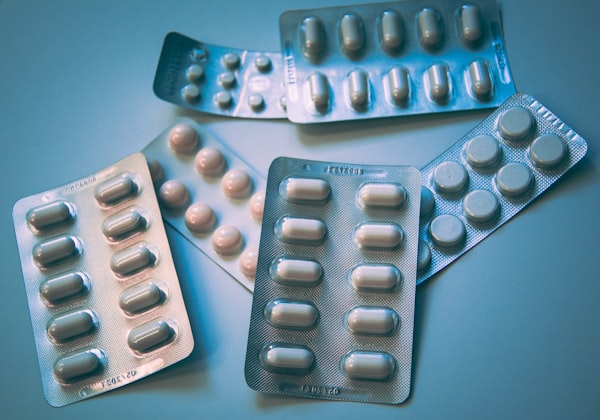
Nausea is the most common side effect of GLP-1 medications, affecting 40-50% of users. The good news? It usually improves over time, and there are proven strategies to minimize discomfort while your body adjusts.
Key Points About GLP-1 Nausea
- • Most common during dose increases
- • Usually improves within 4-8 weeks at each dose
- • Eating habits play a major role
- • Rarely severe enough to stop treatment
- • Multiple strategies can help
Why Nausea Happens
GLP-1 medications slow gastric emptying—food stays in your stomach longer. This creates the feeling of fullness that helps with weight loss, but it can also cause nausea, especially if you eat too much or too quickly.
Proven Strategies to Reduce Nausea
Eat Smaller Portions
Your stomach capacity is effectively reduced. Eating half your usual portion prevents that "overstuffed" feeling that triggers nausea.
Eat Slowly
Take 20-30 minutes per meal. Put your fork down between bites. This gives your body time to signal fullness before you overeat.
Avoid Fatty and Fried Foods
High-fat foods are hardest to digest. They sit in your stomach longest and are most likely to trigger nausea. Choose lean proteins and vegetables.
Stay Hydrated
Sip water throughout the day, but avoid drinking large amounts with meals (it fills your stomach). Ginger tea can help settle nausea.
Don't Lie Down After Eating
Stay upright for 1-2 hours after meals to help digestion and reduce reflux.
When to Contact Your Doctor
Contact your healthcare provider if you experience:
- • Vomiting that doesn't stop
- • Signs of dehydration
- • Severe abdominal pain
- • Nausea that interferes with daily life
- • Symptoms that worsen rather than improve over time
The Bottom Line
Nausea from GLP-1 medications is common but usually manageable. Eat smaller portions, eat slowly, avoid fatty foods, and give your body time to adjust. Most people find nausea improves significantly after a few weeks at each dose level.